
Uncategorized
-
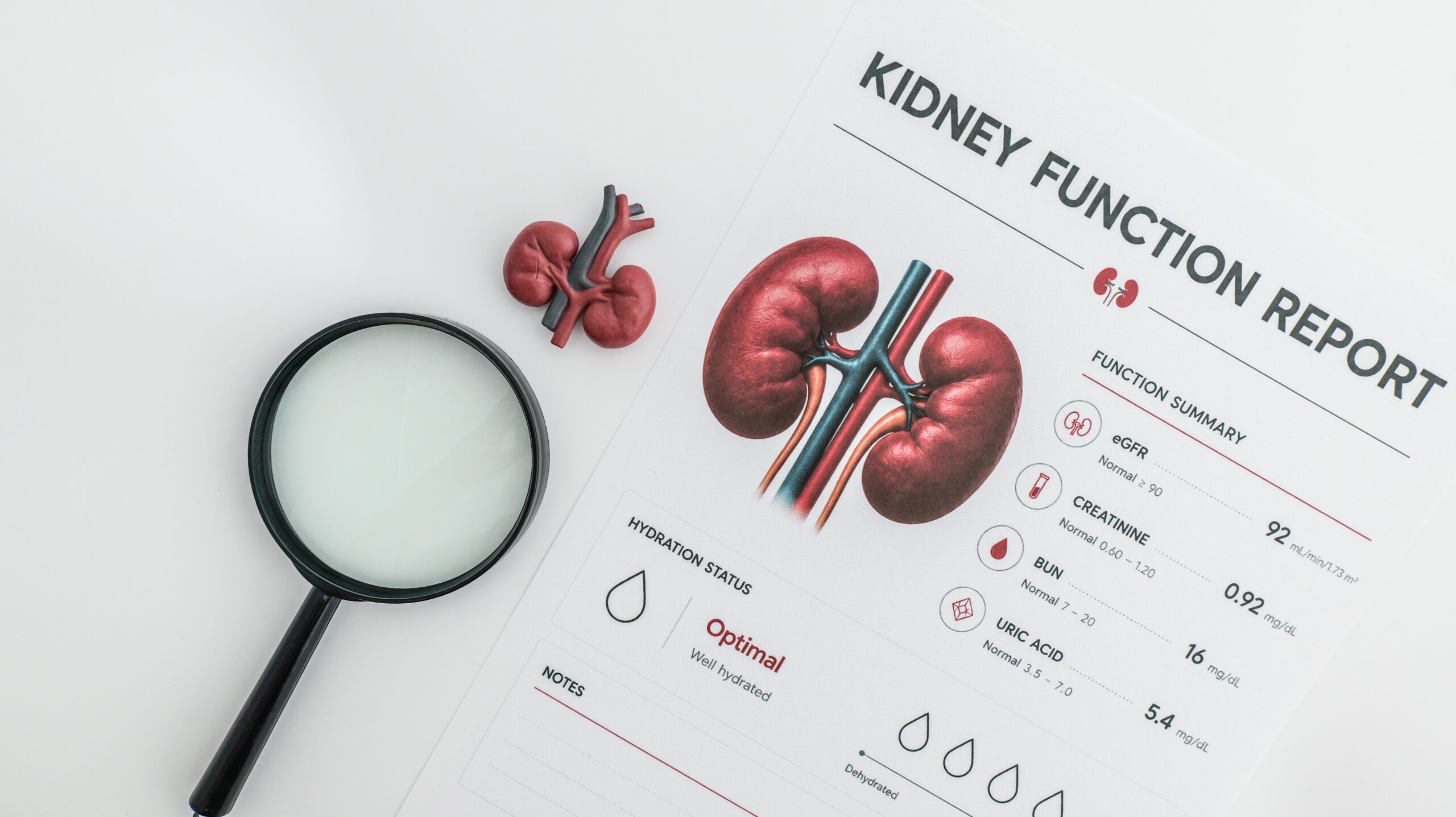
New study suggests broadening detection to catch kidney decline early
Read More: New study suggests broadening detection to catch kidney decline earlyChronic kidney disease is a largely silent disease. People often don’t realize their kidney function is slipping until the disease is advanced, at which point dialysis or transplantation is the only treatment option.
-

Bridging the Gap Between Progress & Access in Kidney Care: New Lancet Series on CKD
Read More: Bridging the Gap Between Progress & Access in Kidney Care: New Lancet Series on CKDChronic kidney disease is receiving long-overdue attention as a global health priority. In 2025, the World Health Assembly adopted its first resolution on kidney health, a landmark step for a disease projected to become the fifth leading cause of death by 2040. But recognition alone will not improve outcomes. Real progress depends on translating awareness into earlier diagnosis, equitable access to care and stronger support for patients.
-
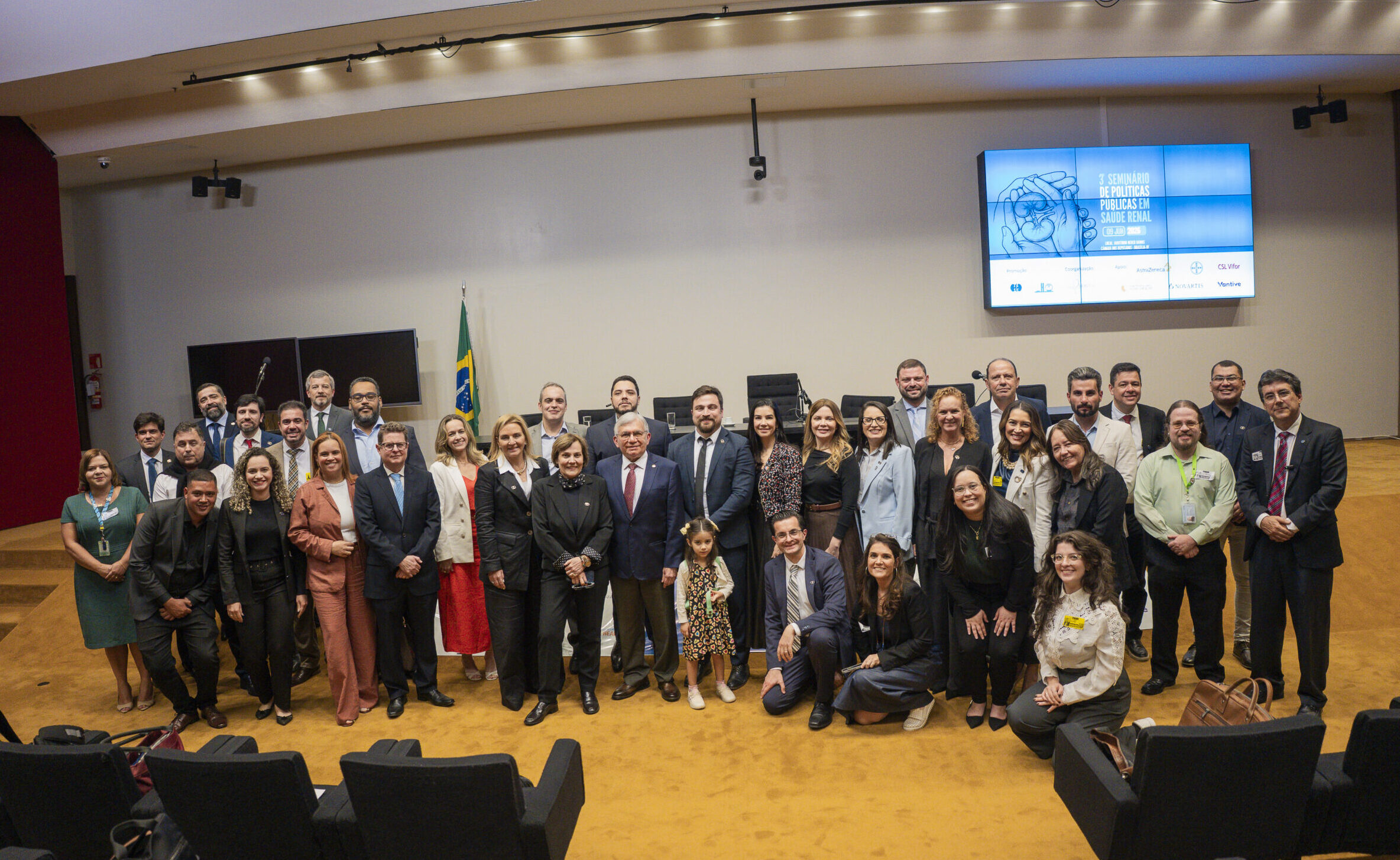
Brazil Convenes National Policy Seminar on Chronic Kidney Disease
Read More: Brazil Convenes National Policy Seminar on Chronic Kidney DiseaseOn 9 June 2026, GloPAKH joined the Brazilian Society of Nephrology (SBN), Casa Hunter and the Parliamentary Front for Nephrology to co-host a National Policy Seminar on kidney health at the Brazilian National Congress, bringing together lawmakers, government health officials, clinicians and patient advocates to discuss a new approach to kidney care in Brazil, in…
-
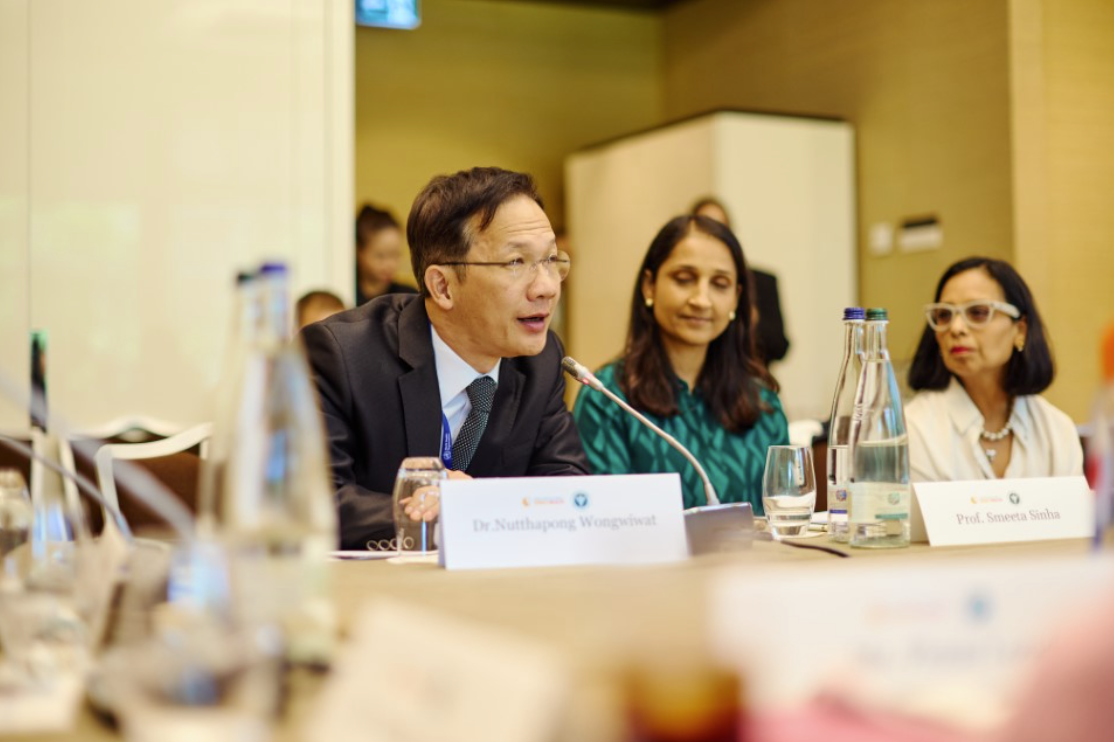
Kidney Health Takes Center Stage at the World Health Assembly
Read More: Kidney Health Takes Center Stage at the World Health AssemblyAlongside the 79th World Health Assembly in Geneva, Switzerland, the Global Patient Alliance for Kidney Health and Thailand’s Ministry of Public Health convened a roundtable bringing together patient advocates, clinicians and health ministers from across the globe. The message from the room was clear: The moment is now to translate accelerating global momentum for kidney…
-
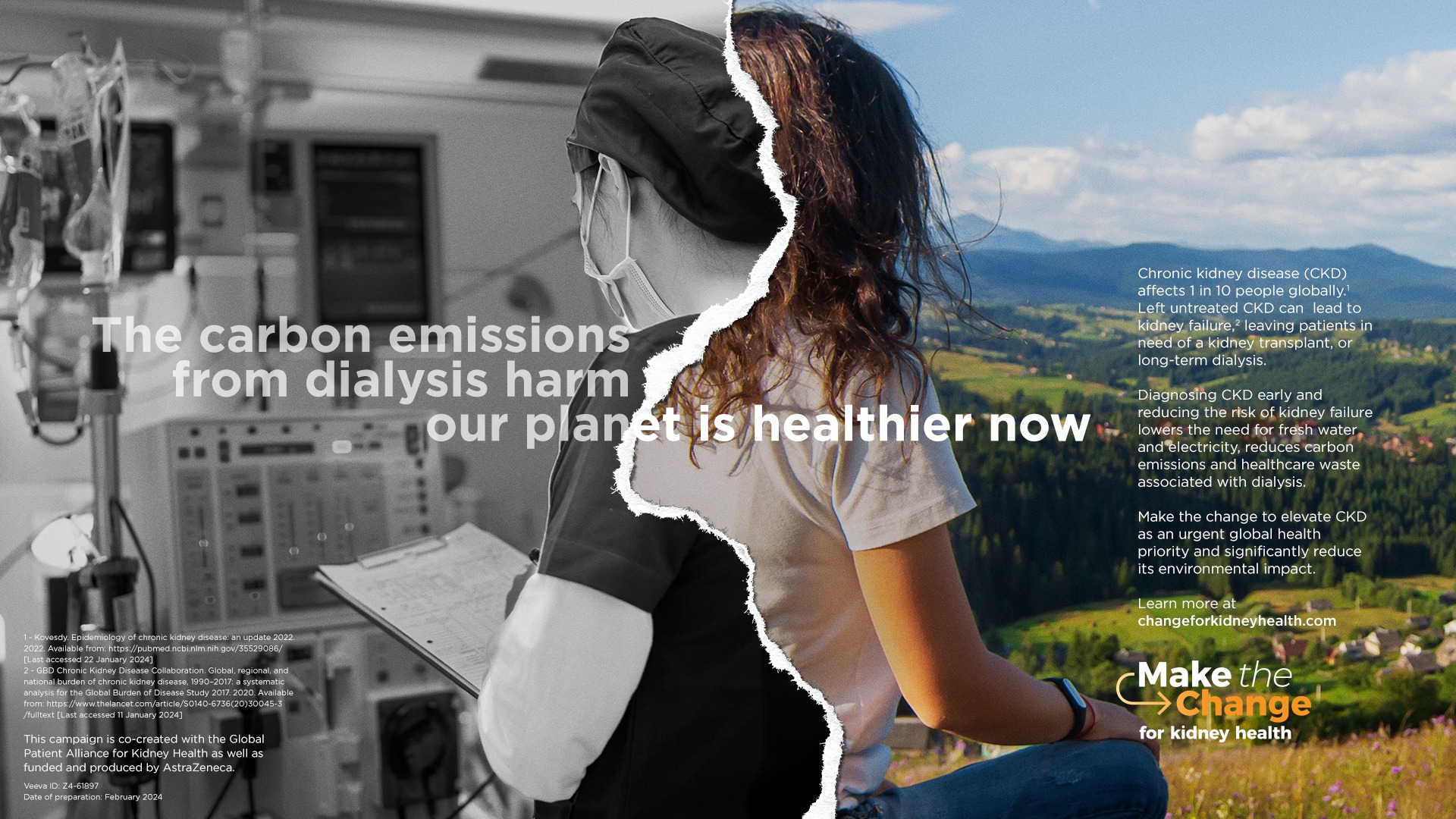
Protect Your Kidneys, Protect the Planet
Read More: Protect Your Kidneys, Protect the PlanetMarch 12 is World Kidney Day, a time to reflect on the impact of kidney disease and take policy action. The International Society of Nephrology’s 2026 campaign for World Kidney Day is titled “Kidney Health for All – Caring for People, Protecting the Planet.” By prioritizing prevention, early detection and timely management of kidney disease, health systems can Make the Change for Kidney Health to benefit patients, health systems and the environment.
-

Choose “All of the Above” for Kidney Month
Read More: Choose “All of the Above” for Kidney MonthMarch is Kidney Month—a time to recognize a vital organ that filters toxins, supports whole-body health and connects with the entire human-body system.
-

The Silent Burden of Chronic Kidney Disease in Women
Read More: The Silent Burden of Chronic Kidney Disease in WomenChronic kidney disease (CKD) is often called a “silent” condition – and for millions of women worldwide, that silence comes at a cost. An estimated 800 million people worldwide live with some form of kidney disease, many unaware until significant damage has already occurred. Women, particularly after midlife, face unique biological and social factors that…
-
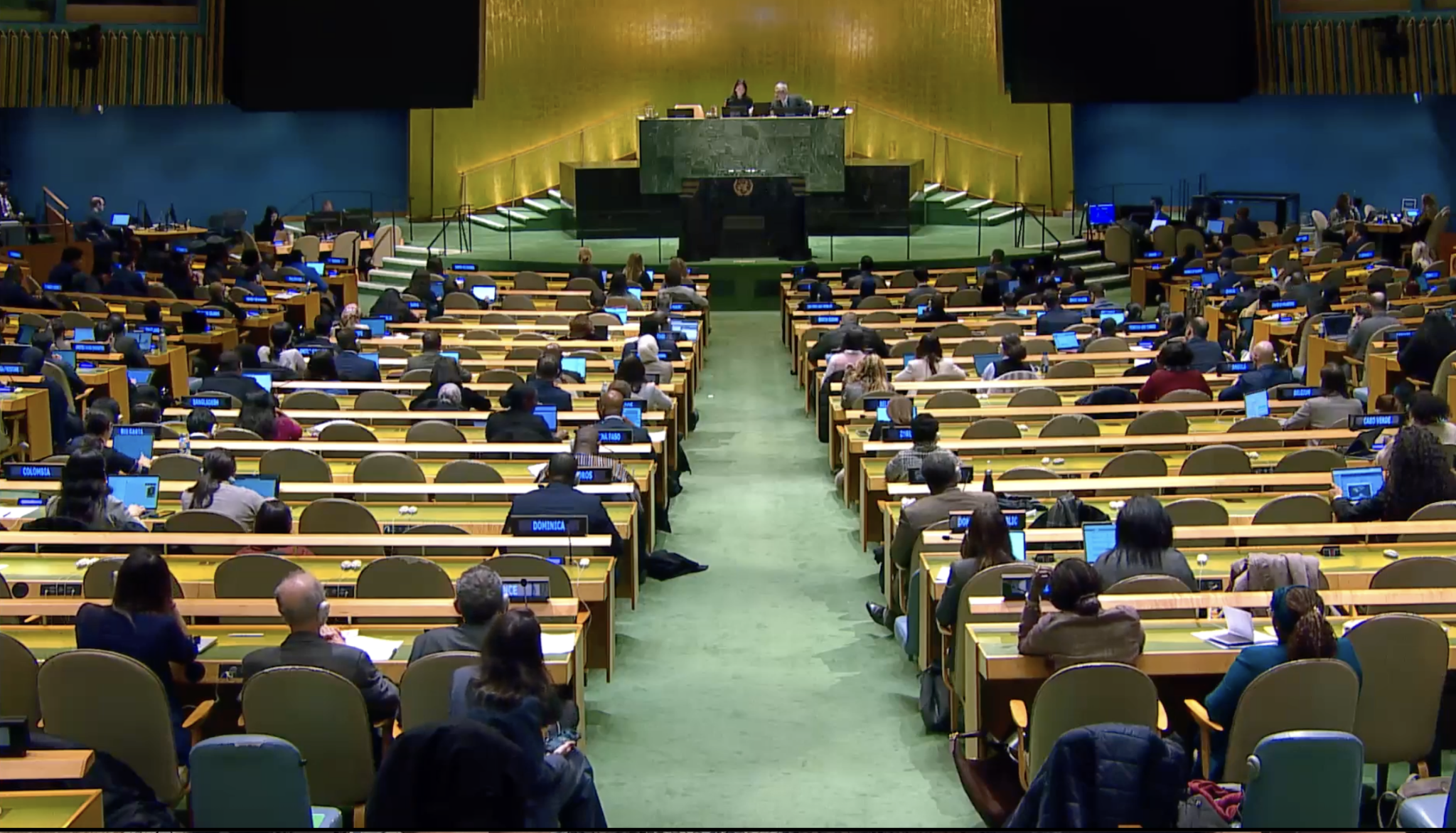
A Historic Moment for Kidney Health at the United Nations
Read More: A Historic Moment for Kidney Health at the United NationsOn December 15, 2025, world leaders adopted a long-awaited Political Declaration on noncommunicable diseases and mental health at the United Nations General Assembly. Its passage marks a critical turning point for global NCD action – and for the first time, explicitly recognizes kidney disease as part of the global NCD agenda. For the kidney health community, this is a historic…
-

A Global Wake-Up Call on Chronic Kidney Disease
Read More: A Global Wake-Up Call on Chronic Kidney DiseaseA new analysis published in The Lancet this month highlights a troubling truth: the global impact of chronic kidney disease (CKD) has skyrocketed over the past three decades. Without swift, coordinated action, the burden will only continue to grow.