Chronic kidney disease is a largely silent disease. People often don’t realize their kidney function is slipping until the disease is advanced, at which point dialysis or transplantation is the only treatment option. Now, a new study published in Kidney International suggests that the way kidney function is routinely measured is missing people who are already at risk.
Current detection options
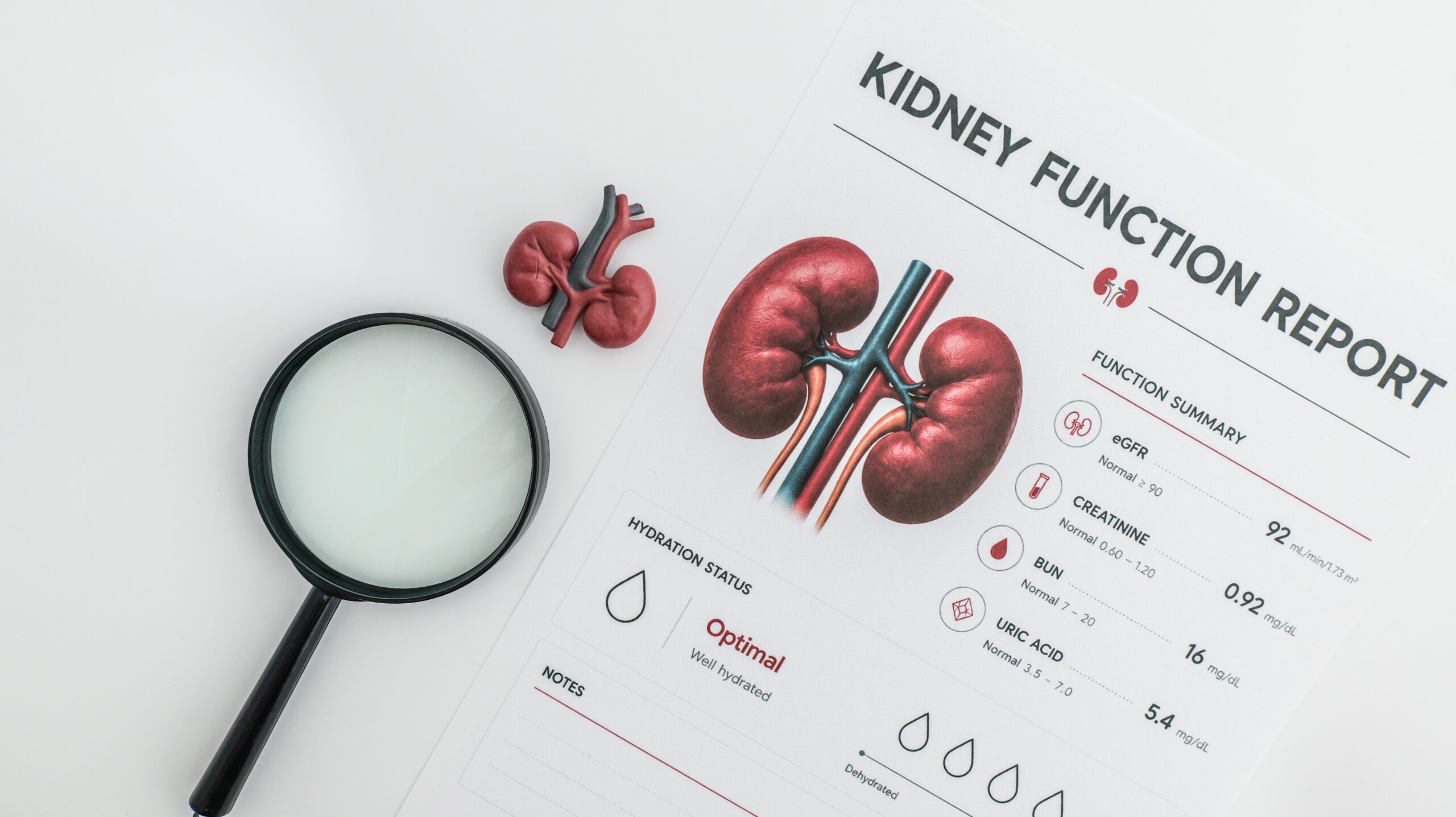
Kidney function is most often assessed through estimated glomerular filtration rate, or eGFR, a value calculated from a routine blood test. In practice, clinicians interpret it against a single cutoff. A result above 60 is generally treated as normal, and anything below it prompts a closer look. What that fixed cutoff doesn’t account for is the person the number belongs to.
Kidney function declines naturally with age, so the same eGFR result means something different at 45 than at 85. Without that context, a value in the 70s or 80s is filed away as reassuring. Combined with the absence of widely adopted screening programs, many people are diagnosed only after losing more than half of their kidney function.
What the study found
Researchers at the Karolinska Institutet borrowed from a familiar tool in pediatrics — the growth chart — to put that number in context. Rather than judge every result against one universal cutoff, they compared each person’s eGFR with others of the same age and sex.
People whose eGFR fell below the 25th percentile for their age and sex faced higher risk of progressing to kidney failure and requiring dialysis or transplantation even when their result looked normal. The charts, and a free calculator built on them, are now openly available to clinicians.
Making early detection routine
The question is no longer whether earlier detection is possible, but whether health systems will adopt an “Early is Better” approach to kidney care. Risk-based screening should be built into routine health checks for the people most likely to develop kidney disease, particularly those living with diabetes, hypertension or cardiovascular disease. Primary care and community care providers should be empowered and equipped to act on borderline results and catch declining kidney function early.
The information needed to diagnose kidney disease early is there. What is now needed is greater access to screening and a sharper read on risk to ensure that everyone can benefit from early detection and treatment.
Read the study in Kidney International here.