
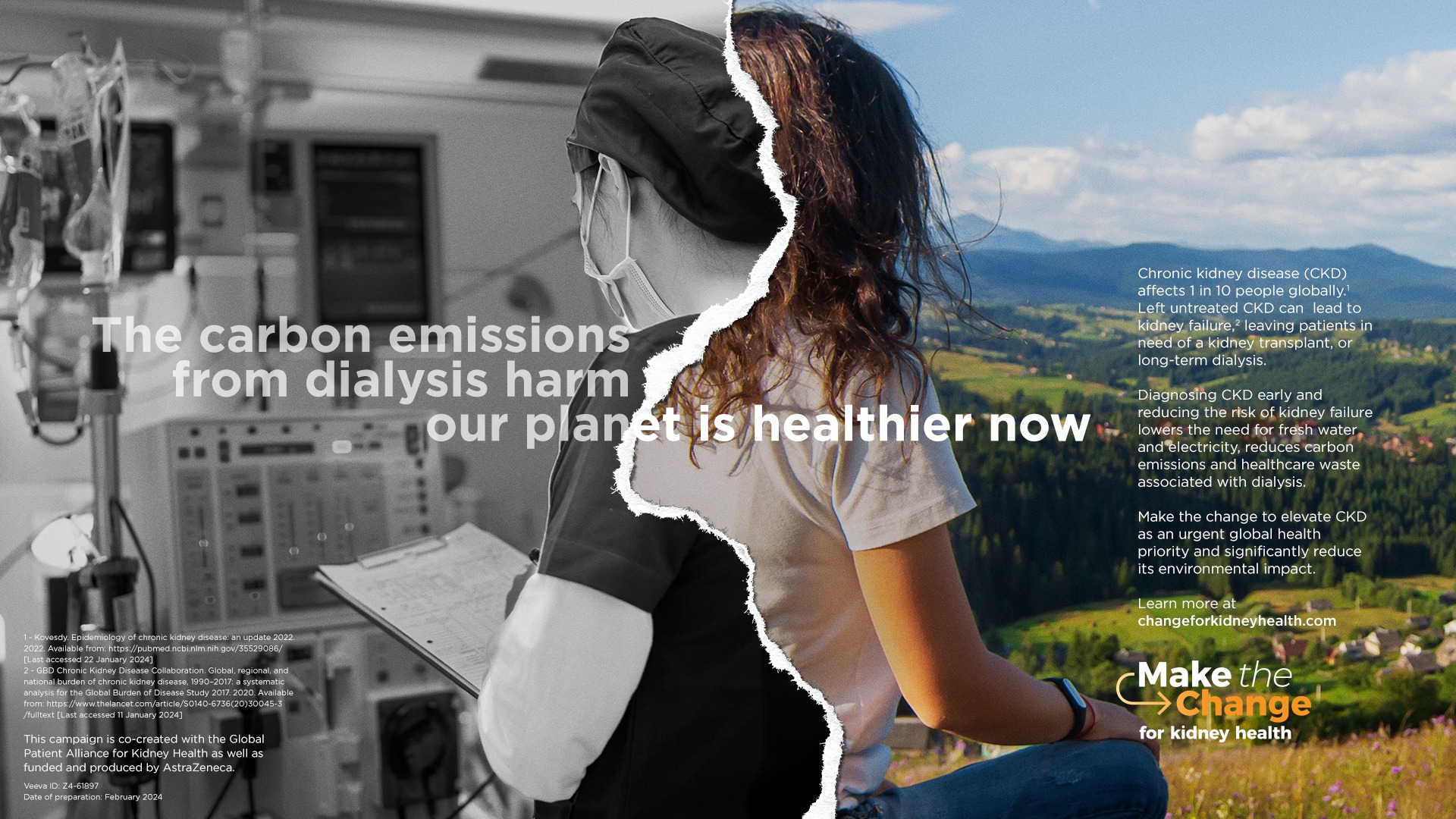
March 12 is World Kidney Day, a time to reflect on the impact of kidney disease and take policy action. The International Society of Nephrology’s 2026 campaign for World Kidney Day is titled “Kidney Health for All – Caring for People, Protecting the Planet.” By prioritizing prevention, early detection and timely management of kidney disease, health systems can Make the Change for Kidney Health to benefit patients, health systems and the environment.
Caring For People
Kidney disease is a major public health concern that impacts one in 10 people worldwide and is projected to be the fifth leading cause of death by 2040. Too often, kidney disease goes asymptomatic and underdiagnosed until it’s too late, raising the risk for kidney failure, transplant or dialysis.
This, along with the lack of awareness of risk factors like cardiovascular disease, diabetes, hypertension and obesity, can exacerbate patient outcomes and increase health care costs. When diagnosed in early stages, medications can mitigate the fatigue, physical limitations and slow or arrest the decline of kidney function. As a result patients can avoid costly and invasive procedures like dialysis and transplant that often accompany late-stage kidney disease. Patients can enjoy a high quality of life as they continue to work, engage with friends and family and contribute to their communities.
Protecting the Planet
When health systems prioritize early detection and treatment of kidney disease, the environment benefits, too. Hospital stays for kidney disease have a notable climate impact, with the health care system contributing to nearly 5% of global greenhouse gas emissions. Treatment of kidney disease contributes 29 billion kg of carbon dioxide into the atmosphere. To paint a clear picture, that’s 17.3 million cars worth of pollution. And dialysis in late-stage kidney disease utilizes 169 billion gallons of fresh water and produces one billion gallons of medical waste each year. Early-stage diagnosis and treatment of kidney diseases would help curb these resource intensive interventions, while simultaneously offering patients better outcomes.
Advancing Advocacy
Therefore, kidney disease can’t wait. To Make the Change for Kidney Health and the whole planet, health systems must adopt an “early is better” approach centered on integrated, proactive primary care. This starts by:
- Raising awareness. Promote kidney check-ups and provide accessible tools to help at-risk patients understand and request the right tests.
- Screening at-risk populations, including individuals with related cardio-metabolic conditions, a family history of these conditions or social risk factors.
- Empowering providers such as nurses, pharmacists and community health workers to screen, interpret basic results and initiative first-line interventions to the patients most at risk.
For more information on Making the Change for Kidney Health, visit https://globalkidneyalliance.org/make-the-change/. To stay up-to-date on GloPAKH’s partner activities for World Kidney Day, subscribe to our