By Antonia King, CompCure
When I heard the words C3 glomerulopathy for the first time, my world as a 15-year-old stopped for a moment. C3 glomerulopathy, or C3G, is a complement-mediated rare kidney disease with an estimated incidence of one to two cases per million. This may sound like a very small number. But behind every number is a person.
My journey began with a diagnosis by chance. I did competitive swimming and needed to be tested. I was lucky proteinuria was detected early, but it still took nine long months to receive my C3G diagnosis. I now know families who waited several years for the right diagnosis. Early symptoms are heterogeneous and often subclinical, and specialists are needed to interpret biopsy results correctly, which all can delay diagnosis. Screening at-risk populations can reduce this delay. Improving early diagnosis can secure early treatment initiation to preserve kidney function and prevent end-stage renal disease.
C3G is a disease that profoundly changed my life. I’ve endured countless different treatments, difficult days and physical limitations. Six years after my diagnosis, I reached end stage renal disease and received a kidney transplant. Seven years after this transplantation, I am now again in end stage renal disease waiting for my second transplant.
Living with C3G is more than managing a diagnosis. It means adapting to uncertainty, treatments, mental challenges and physical limitations.
In all the time since my diagnosis and despite extensive testing, the cause of my kidney disease was never identified. I don’t know what triggered my disease. This leaves uncertainty, especially when thinking about whether I could pass the disease on to future children. This reality is true for a significant number of people in the C3G community. We need to improve the identification of the causes of kidney diseases. Understanding the causes can help with individual prognosis, improve diagnosis and ensure access to adequate treatment options, especially as more treatments are becoming available for rare kidney diseases.
By diagnosing these diseases early and identifying their causes, we can improve research, initiate treatment earlier and reduce socioeconomic and health care costs associated with end-stage renal disease. Most importantly, we can improve the lives of patients and their families.
To achieve this, rare kidney diseases also need to be prioritized in policy decisions and health care budgets, especially as the number of patients affected by kidney diseases continues to grow. Many rare kidney disease patients are children or young adults at the time of diagnosis, like I was. This can result in high socioeconomic costs over a lifetime, which can be reduced through earlier diagnosis and treatment. Policy can also support international research and collaboration, for example through international patient data registries.
But change cannot come from policy or industry alone. As patients, we need to be part of the decisions that shape our lives.
For me, patient advocacy starts with advocating for myself: speaking up when a doctor does not listen, when I am misunderstood or when my experiences are dismissed by health care professionals. It all starts with good information, because when we as patients are informed about our diseases, treatment options and current research, we become empowered.
Patient advocacy groups can strengthen this voice by advocating for the wider community. Patient-led initiatives can also contribute to better research and decision-making. For example, at CompCure, a nonprofit organization focused on improving outcomes for patients with C3G and IC-MPGN, patient commitment helped establish an international, patient-led registry generating real-world evidence. For me, another example is GloPAKH’s Patient Advocacy Academy, where I participated in 2025. I learned from experts the different tools needed to strengthen my advocacy work, particularly in policy settings.
I hope for a future where no one has to wait years to receive a correct diagnosis, where rare diseases are diagnosed fast, and treatment is initiated early.
To make this a reality, we need close collaboration between patients, health care professionals, researchers, industry and policymakers. With this collaborative effort, and especially by including the voices of patient communities, we can create a better future for everybody living with a rare kidney disease.
About Author
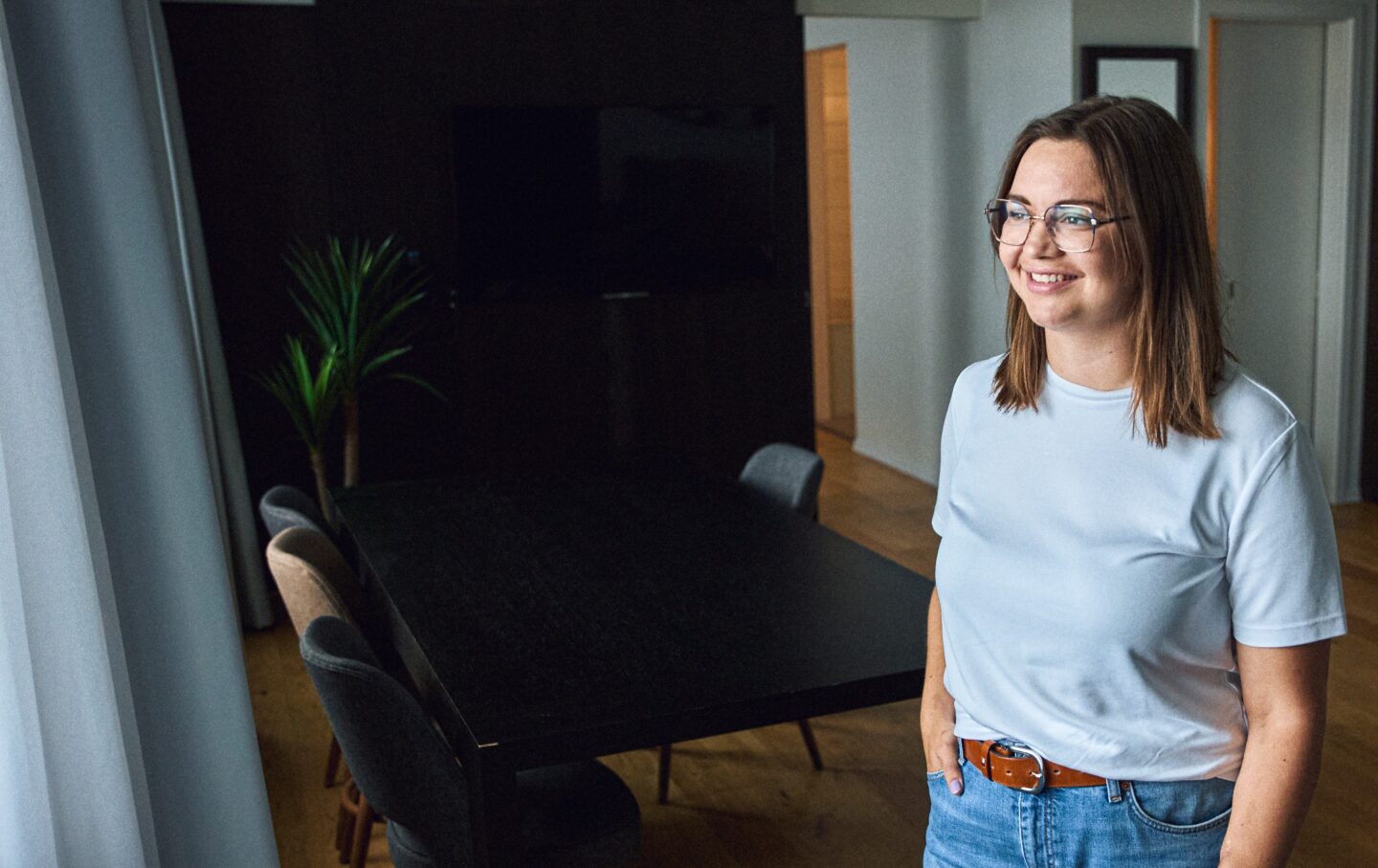
Antonia King is a social worker based in Germany. She is living with a rare complement-mediated kidney disease called C3-Glomerulonephritis, or C3GN. She decided to invest her time to help others and started to work as a patient and family community lead at CompCure. Within CompCure she helped create the largest structured patient community in C3G on an international level. In this community she is active in strengthening the patient voice, so patients are involved in decisions that affect their daily life.